
Autonics Photoelectric Sensors – Reflective & Through Beam
Autonics photoelectric sensors use controlled optical emission and reception principles to detect objects across industrial automation environments reliably today. These sensors operate through through-beam, retro-reflective, or diffuse mechanisms using emitters, receivers, optical filters, and mechanical housings that support defined sensing distances and object conditions across machine applications.
The Autonics Photoelectric Sensor, manufactured by Autonics, applies optical transmission paths, aligned emitter–receiver structures, standardized mounting brackets, and PNP or NPN switching interfaces referenced across the Autonics portfolio in India. Structural formats cover cylindrical or rectangular housings, connector or cable terminations, and defined optical axes configured for stable output response in automation systems. As an entity, an Autonics photo sensor functions as optical sensing technology structured around emitter–receiver components classified under photoelectric detectors interfaced through discrete switching outputs.
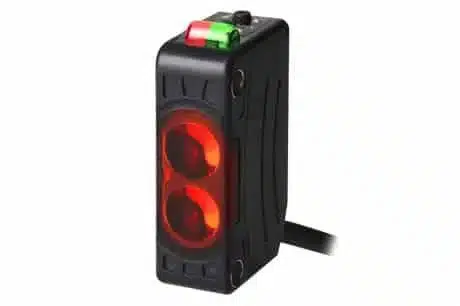
Autonics Photo Sensor – BJ Series
- Size: Compact, W10.6×H32×L20mm.
- Modes: Light ON/Dark ON, with sensitivity adjuster
- Protection: IP65/IP67
- Noise Immunity: High, with minimal ambient light influence.
- Long Distance Type: Ranges up to 15m.
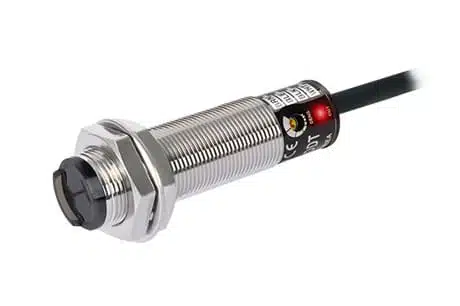
Autonics Reflective Sensor – BR Series
- Size: Varies; Cable Type compact, Connector Type W 10.6 × H 32 × L 20 mm.
- Sensing Distance: Up to 15 m.
- Target Materials: Opaque and translucent materials.
- Response Time: ≤ 1.5 ms for Cable, ≤ 1 ms for Connector Types.
- Light Source: Red and Infrared.
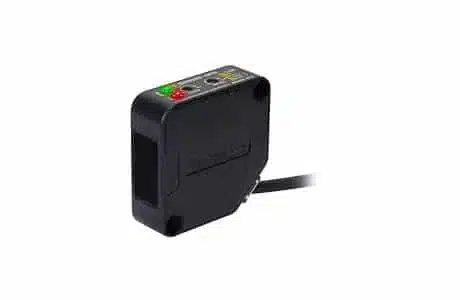
Autonics Photoelectric Sensor – BEN Series
- Size: Small, integrated power supply.
- Sensing Distance: Up to 10 m.
- Target: Opaque and translucent materials.
- Response Time: ≤ 20 ms (AC/DC), ≤ 1 ms (DC).
- Light Source: Infrared and Red.
- Protection: IP50 rating.
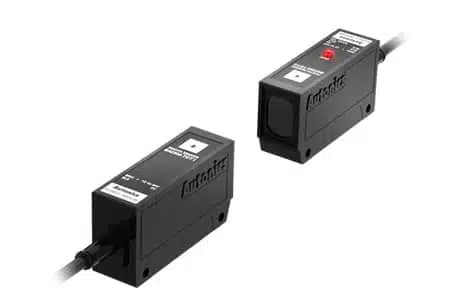
Photo Sensor Autonics – BM Series
- Size: Compact, easy to mount in narrow spaces.
- Sensing Distance: 3 m (Through-beam), 1 m (Retroreflective), 200 mm (Diffuse reflective).
- Target: Opaque and translucent materials.
- Response Time: ≤ 3 ms.
- Light Source: Infrared, 940 nm wavelength.
- Power: 12-24 VDC, ±10%.
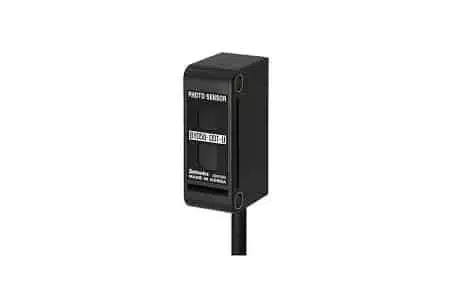
Autonics BYD Series
- Size: Compact, easy installation.
- Sensing Distance: 3 m (Through-beam), 100 mm (Diffuse reflective), 10 to 50 mm (Convergent reflective).
- Target: Opaque and translucent materials.
- Light Source: Infrared.
- Power: 12-24 VDC, ±10%.
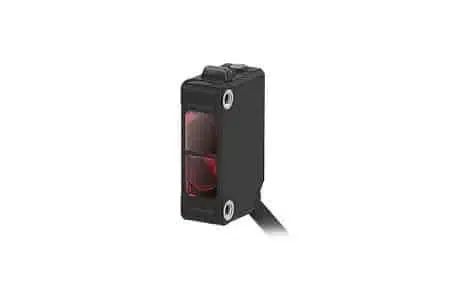
Autonics Photo Sensors – BJX Series
- Size: Compact, W 11 × H 32 × L 20 mm.
- Sensing Distance: 30 m (Through-beam), 3 m (Polarized retroreflective), 1 m (Diffuse reflective).
- Target: Opaque and translucent materials.
- Response Time: ≤ 1 ms.
- Light Source: Red and Infrared.
- Power: 10-30 VDC, ±10%.
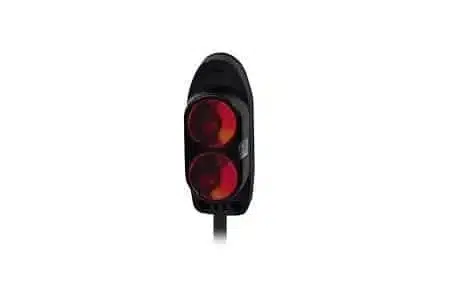
Autonics Photo Switch – BA Series
- Size: Compact.
- Sensing Type: Diffuse reflective.
- Sensing Distance: 2 m.
- Target: Opaque and translucent materials.
- Response Time: ≤ 1 ms.
- Light Source: Infrared, 850 nm wavelength.
- Power: 12-24 VDC, ±10%.
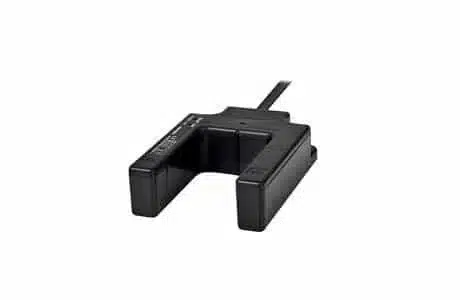
Autonics BUP Series
- Size: Compact.
- Sensing Type: Through-beam.
- Sensing Distance: 30 mm, 50 mm.
- Target: Opaque materials.
- Response Time: ≤ 1 ms.
- Light Source: Infrared, 940 nm wavelength.
- Power: 12-24 VDC, ±10%.
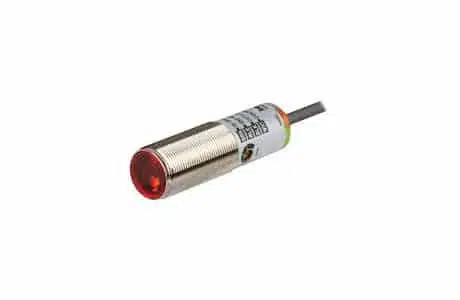
Autonics Photoelectric Sensors BRQ Series
- Size: Compact.
- Sensing Distance: Up to 30 m.
- Target: Opaque, translucent materials.
- Response Time: ≤ 1 ms.
- Light Source: Red, Infrared.
- Power: 10-30 VDC, ±10%.
- Protection: IP67, IP69K
IndMALL Automation offers a diverse selection of Autonics Photo Sensors, designed for precision and adaptability in various industrial applications. Featuring long-range detection, adjustable sensitivity, and robust protection ratings, our Photoelectric Sensors are ideal for demanding environments. Whether you’re looking for a Photo Sensor Autonics, Photoelectric Sensor Autonics, or an Autonics Through-beam Sensor, we provide the right solution at competitive prices.
We stock a variety of Autonics Photo Sensors, including through-beam, diffuse, and reflective models, all renowned for their reliability and efficiency. Explore options like Photo-reflective Sensors, Retro-reflective Sensors, Photoelectric Beam Sensors, and Reflective Photo Sensors for unmatched performance in automation tasks.
For detailed technical information and pricing, refer to the Autonics photo sensor PDF or contact us to learn more about the Autonics photo sensor price that suits your needs. Trust IndMALL Automation for high-quality sensors tailored to your industrial requirements.
Product List:
| Model No | Image | Sensing Type | Sensing distance | Light Source | Control output | Response Time |
|---|---|---|---|---|---|---|
| BJ300-DDT | 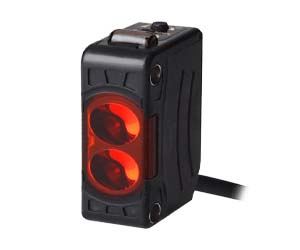
|
Diffuse reflective | 300mm | Red LED(660nm) | NPN open collector | Max. 1ms |
| BEN5M-MFR | 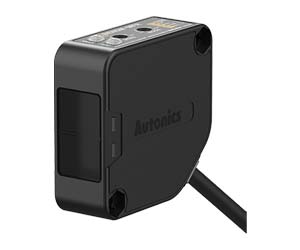
|
Retroreflective | 5m(MS-2) | Infrared LED(850nm) | Relay | Max. 20ms |
| BM200-DDT | 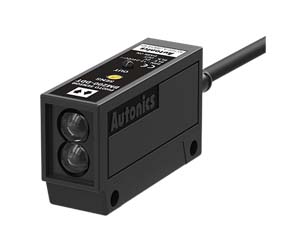
|
Diffuse reflective | 200mm | Infrared LED(940nm) | NPN open collector | Max. 3ms |
| BA2M-DDT-P | 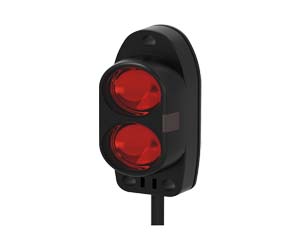 |
Diffuse reflective | 2m | Infrared LED(850nm) | PNP open collector | Max. 1ms |
| BRQM400-DDTA-P | 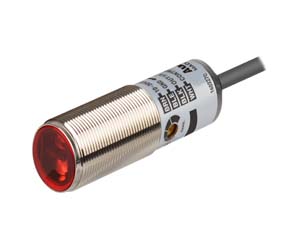
|
Diffuse reflective | 40mm | Red LED(660nm) | PNP open collector | Max. 1ms |
Frequently Asked Questions
How Does a Photo Sensor Work?
Understanding the Basics: A photo sensor is a device that detects light. It converts light into an electric signal.
The Main Ingredient: Photo sensors have special materials inside. These materials generate electricity when light hits them.
The Process: When light touches the sensor, electrons move. This movement creates an electric current.
The Result: The electric current is measured and understood as a signal. This signal can show how much light is present.
what are the three methods of operating a photoelectric switch?
Three Methods to Operate a Photoelectric Switch:
1. Through Beam Method: A transmitter sends light to a receiver. If something blocks the light, the switch activates.
2. Reflective Method: The switch emits light. When an object reflects that light back, the switch turns on.
3. Diffuse Method: Light is sent out from the switch. The switch activates when light bounces back from nearby objects.
what is the function of retro-reflective sensor?
Function of Retro-Reflective Sensor:
How It Works: A retro-reflective sensor emits light. It then looks for that light to return.
Its Job: When an object comes between the sensor and a reflector, light is blocked. The sensor then activates.
Common Use: These sensors are often used in safety and automation systems. They detect objects passing by.
what does a photoelectric sensor do?
Basic Idea: A photoelectric sensor detects light changes. It then sends out an electric signal.
Function: When light levels change because of an object, the sensor knows. It reacts to these changes.
Usage: These sensors help in automation. They can tell if something is there or not.
For more details or questions regarding our Autonics Photo Sensor collection, feel free to contact us.