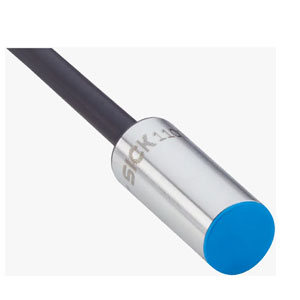
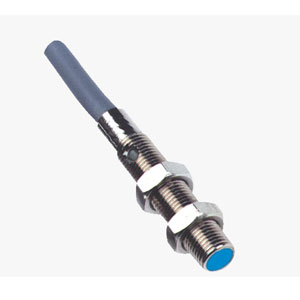
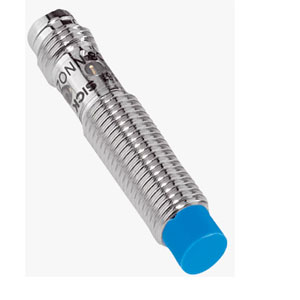
Procurement managers rarely finalize IH04-0B8PS-VW1 without reviewing Sick Diffuse Sensor, Omron Proximity Sensors and Sick Ime12 04Bpszc0S, ensuring that the chosen component meets budget, compliance, and delivery conditions.
Sick IH04-0B8PS-VW1 Proximity Sensor
The Sick IH04-0B8PS-VW1 Proximity Sensor offers a Cylindrical thread design, Standard design, 0.8 mm sensing range, Flush installation type, PNP NO output, and 2 m Cable connection. Manufactured by Sick under the Sick Proximity Sensor category, this model belongs to the IME Series.
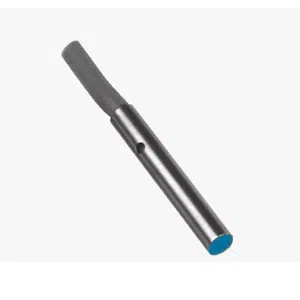
| Brand | Sick |
| Product Type | Proximity Sensor |
| Model Number | IH04-0B8PS-VW1 |
Sick IH04-0B8PS-VW1 Proximity Sensor – Technical Specifications
| Specification | Value |
|---|---|
| Housing | Cylindrical thread design, Standard design |
| Thread size | - |
| Diameter | Ø 4 mm |
| Sensing range Sn | 0.8 mm |
| Safe sensing range Sa | 0.648 mm |
| Installation type | Flush |
| Switching frequency | 5,000 Hz |
| Connection type | 2 m Cable |
| Switching output | PNP |
| Output function | NO |
| Electrical wiring | DC 3-wire |
| Enclosure rating | IP67 1) |
| Items supplied | - |
Give Us a Call for Sick 25mm Inductive Proximity Sensor IH04-0B8PS-VW1 part no: 6020113 with budget-friendly prices. Technical Attributes are IH04-0B8PS-VW1, 6020113 include Cylindrical thread design, Standard design housing, - thread size, Ø 4 mm diameter, 0.8 mm sensing range, 0.648 mm safe sensing range, Flush Installation, 5,000 Hz frequency, 2 m Cable, NO output, DC 3-wire
. Navigate Your Needs with a Quote for your requirement of Sick 25mm Inductive Proximity Sensor. We excel in offering more cost-effective and supportive solutions than other Competitors.
Related Products