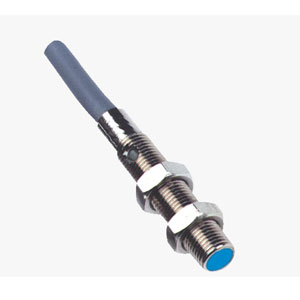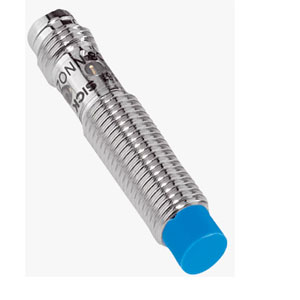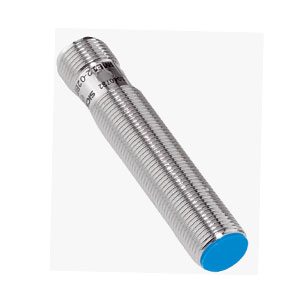
Sick IHM06-03BPSVW2G Proximity Sensor
The Sick IHM06-03BPSVW2G proximity sensor offers 3 mm sensing range, flush installation, and PNP NO output for compact automation. Manufactured by Sick, this Sick proximity sensor features 1,500 Hz switching frequency, DC 3-wire electrical wiring, 2 m cable connection, and IP67 enclosure rating. It belongs to the IME series used in industrial automation.
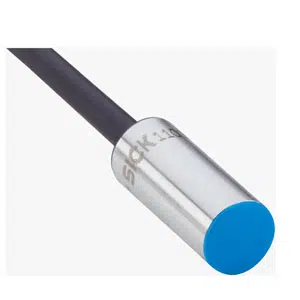
| Brand | Sick |
| Product Type | Proximity Sensor |
| Model Number | IHM06-03BPSVW2G |
Sick IHM06-03BPSVW2G Proximity Sensor – Technical Specifications
| Specification | Value |
|---|---|
| Housing | Cylindrical thread design, Extremely short model |
| Thread size | - |
| Diameter | Ø 6.5 mm |
| Sensing range Sn | 3 mm |
| Safe sensing range Sa | 2.43 mm |
| Installation type | Flush |
| Switching frequency | 1,500 Hz |
| Connection type | 2 m Cable |
| Switching output | PNP |
| Output function | NO |
| Electrical wiring | DC 3-wire |
| Enclosure rating | IP67 1) |
| Items supplied | - |
The IHM06-03BPSVW2G Sick 1,500 Hz Inductive Sensor is a compact proximity sensor engineered for precise metal detection in limited mounting spaces. This Sick IHM06-03BPSVW2G model operates with a 3 mm sensing range, flush-mounted installation, and PNP normally open output. It is part of the IME series and supports stable sensing performance in industrial automation systems.
In industrial applications, the IHM06-03BPSVW2G proximity sensor is commonly used in compact conveyors, packaging machinery, electronic assembly lines, and automated handling equipment. Its defined sensing distance and consistent switching behavior support accurate object detection where space constraints and fast response times are critical for operational reliability.
The IHM06-03BPSVW2G from Sick delivers dependable operation with IP67 enclosure protection, DC 3-wire wiring, and a cylindrical extremely short housing design. As part of the Sick IME proximity sensor family, this model is suitable for long-term industrial automation use where compact size, electrical stability, and consistent detection are required.