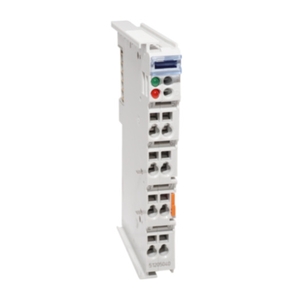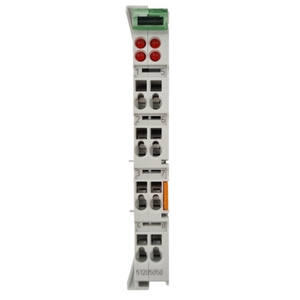
Mitsubishi STL-DA4-V2 - PLC Analog Output Module
The Mitsubishi STL-DA4-V2 Programmable Logic Controller provides 4 analog outputs with a ±10V voltage range for precise automation control in industrial systems. Manufactured by Mitsubishi, it belongs to the Mitsubishi Programmable Logic Controller family within the STLITE Series. It operates on a 24V DC power supply, consumes 125mA current, and features cage clamp wiring for secure connections. The compact design includes a 65 mm height, 12 mm width, and 100 mm depth, weighing 535 g.
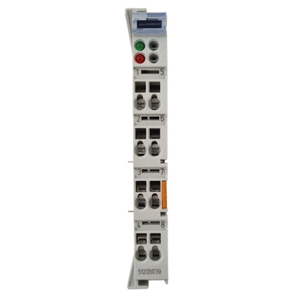
| Brand | Mitsubishi |
| Product Type | PLC Analog Output Module |
| Product | STL-DA4-V2 |
Mitsubishi PLC Analog Output Module STL-DA4-V2 Technical Specifications
| Specification | Value |
|---|---|
| Series | STLITE SERIES |
| Type | ANALOG OUTPUT |
| Wiring | CAGE CLAMP |
| Int. Current Consumption (A) | 125 |
| Depth (mm) | 100 |
| Weight (kg) | 535 |
| Width (mm) | 12 |
| Height (mm) | 65 |
| Integrated Analogue Outputs | 4 |
| Output Voltage Range (V) | -10-10 |
The Mitsubishi STL-DA4-V2 Programmable Logic Controller is a reliable analog output module designed to deliver stable voltage signals for precise process control. With 4 analog outputs supporting a ±10V voltage range, it ensures accurate signal conversion and distribution in industrial automation systems. As part of the STLITE Series, it integrates seamlessly into Mitsubishi PLC environments, offering efficient performance with minimal power consumption.
The Mitsubishi STL-DA4-V2 PLC module is used across various industrial applications including conveyors, packaging, and process control automation. It allows consistent voltage output for actuators and control circuits, maintaining precise control over system variables. The compact and robust build with cage clamp wiring simplifies panel installation and ensures dependable performance in continuous operations.
The Mitsubishi STL-DA4-V2 Programmable Logic Controller combines Mitsubishi’s precision engineering and dependable performance for automation professionals. Belonging to the STLITE Series, it supports stable analog voltage control, efficient power usage, and long operational reliability. Engineers trust this model for high-quality signal output and compatibility with advanced industrial systems, making it a dependable component in modern automation networks.