
Our blog post on “Tower Light Terminologies”! Welcome to the world of tower lights and their captivating vocabulary! You’re in the right place if you’re intrigued by them. Tower lights are essential for protecting tall structures. They are also called aviation obstruction lights or plane warning lights.
These lights ensure safety for buildings, telecommunication towers, and wind turbines. This blog will explore tower light terminologies. It will shed light on their purpose and functionality. The aim is to provide a comprehensive understanding of these terms. It is useful for both curious individuals and professionals in the field. So, let’s dive in and unravel the mysteries of tower light terminologies!
A
Ambient Humidity:
This term refers to the moisture level present in the surrounding air. It’s important for tower light systems as high humidity can impact performance. Ambient humidity is measured in percentages. 100% indicates complete saturation of the air with moisture.
Ambient Temperature:
This indicates the temperature of the environment where the tower light is situated. The ambient temperature can impact the tower light’s performance and lifespan. Tower lights are designed to operate within a specific temperature range. It’s important to watch the ambient temperature to ensure optimal functioning and longevity of the system.
Approvals CE:
The term “Approvals CE” refers to the tower light’s compliance with European Union standards. When a tower light has CE approval, it indicates that it meets the EU’s safety, health, and environmental protection standards. This certification is crucial for products being sold within the European Economic Area.
Approvals UL:
Approvals UL means the tower light meets safety standards by Underwriters Laboratories. UL is a recognized safety-testing organization in the US. When a product has UL approval, it means it’s been tested and found safe to use according to set standards.
Audible Alarm:
An audible alarm in a tower light system is a sound-based warning mechanism. When certain conditions are met, the alarm will sound. It can alert workers to changes in operational status, potential problems, or safety issues. The audible alarm feature is useful in noisy environments. Visual signals might be missed, making the audible alarm valuable.
B
Beacon Diameter:
The term “beacon diameter” pertains to the width of the light-emitting part of the tower light, often referred to as the beacon. The beacon’s size can affect the visibility of the light signals. Larger beacons tend to emit more light, making them more visible from a distance or in bright conditions. But, they also take up more space and may consume more power. Selecting the right beacon diameter requires balancing visibility, space limitations, and power consumption.
C
Connection Type:
The “connection type” refers to the method of connecting the tower light to its power source or control system. A wired connection provides reliable performance. Wireless connection offers flexibility in installation locations. Influencing factors include tower light’s purpose, control system distance, and installation site constraints.
Current Rating:
The “current rating” denotes the largest amount of electrical current that a tower light is designed to carry. This rating is usually given in amperes (A). Exceeding the current rating can result in overheating and potential failure of the light. Ensure tower light is used within specified current rating to prevent damage and ensure safe operation.
D
Degree of Protection:
This term is often associated with an IP (Ingress Protection) rating. It indicates how well the tower light’s casing can resist intrusion from foreign bodies, like dust and water. The rating includes two numbers. The first reflects the level of protection against solids, while the second is about liquids. A higher degree of protection enables tower lights to operate in demanding environments like heavy dust or rain. This information is crucial when choosing the right tower light for specific settings.
E
Enclosure Rating:
This term refers to the level of protection that a tower light’s casing or enclosure offers against external elements. The enclosure rating can tell you how resistant the product is to factors such as dust, water, and impact. An IP rating represents this. A NEMA rating represents this. The enclosure rating is crucial when choosing a tower light. It must be suitable for the specific environmental conditions it will face.
F
Flash Rate (±10%):
This term refers to how often the light on the tower light flashes per minute. The “±10%” signifies there could be a variation of up to 10% from the given flash rate. The flash rate can be important for conveying specific signals or warnings.
Frequency:
In the context of a tower light, ‘frequency’ usually pertains to the electrical power supply. It’s measured in Hertz (Hz) and represents the cycles per second of the alternating current. The most common frequencies are 50 Hz and 60 Hz, depending on the country.
H
Housing Material:
The term “housing material” refers to the type of material used to construct the tower light’s outer casing or housing. This could be metal, plastic, or a combination of materials. The chosen material impacts the tower light’s durability, weight, and resistance to elements like water, dust, and impact. It could also affect its performance in various temperatures. Depending on the environment, a specific housing material may be more suitable. It ensures the longevity and effectiveness of the tower light.
I
Illumination Type:
This term refers to the technology the tower light uses to produce light. Common illumination types include LED, incandescent, and halogen. Each type has different characteristics, including brightness, energy efficiency, color quality, and lifespan. The choice of illumination type can affect the tower light’s performance and operational cost.
IP Rating: An
“IP Rating” or Ingress Protection Rating represents a standard. It indicates the degree of protection against solids and liquids. The first digit shows protection against dust. The second digit indicates protection against liquids. It’s an essential factor in choosing tower lights for different environments.
L
LED Lifespan:
This term refers to the expected operational life of the LED light source in a tower light. The lifespan is measured in hours and can range from thousands to tens of thousands of hours, depending on the quality of the LED. A longer lifespan can reduce maintenance costs and downtime.
Lens Color:
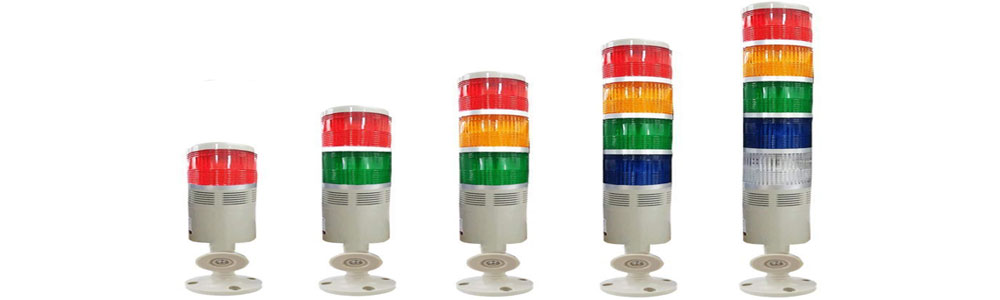
“Lens Color” refers to the color of the tower light’s lens. Different colors can signify different meanings. For instance, red could state a problem or stop, green might signify normal operation, and yellow could suggest caution.
Lens Material:
This term indicates the material used to make the lens of the tower light. Common materials include glass or various types of plastic. The lens material affects durability. It also impacts the clarity and light transmission characteristics of the tower light.
Life Expectancy:
This refers to the estimated operational lifespan of the entire tower light unit. It’s usually based on the lifespan of its components, especially the light source, and normal operating conditions. Knowing a product’s life expectancy can help with planning for replacements and maintenance.
Light Intensity:
Light intensity refers to the brightness of the light emitted by the tower light. It’s measured in lumens or candelas. A higher light intensity means the light can be seen more, even in bright daylight or at a distance.
Light Source:
The light source is the component of the tower light that emits light. It could be an LED, incandescent bulb, or another type of light-emitting technology. The choice of the light source can affect the tower light’s brightness, color, energy efficiency, and lifespan.
M
Maximum Tier:
The term “largest tier” refers to the greatest number of individual light units or levels a tower light can have. Each tier often represents a different signal or status. More tiers allow for a wider range of signals but can increase the size and cost of the unit.
Mounting Style:
The “mounting style” denotes how the tower light is designed to be installed or attached to a surface. Different styles can include base mounting, wall mounting, or pole mounting. The choice of mounting style depends on factors. The availability of mounting surfaces is one factor. Desired viewing angle is another factor. Installation site conditions also play a role
O
Operating Voltage:
This refers to the voltage at which the tower light is designed to operate. It’s provided in volts (V) and can be AC (alternating current) or DC (direct current) depending on the design of the light. Ensuring the light’s operating voltage matches the power supply is crucial. It prevents damage or suboptimal performance.
Operation/Function Steady:
This term indicates that the tower light emits a continuous, non-flashing light when activated. A steady function is often used to state normal operation or a specific, non-urgent status. This differs from flashing or rotating functions, which represent warnings or alerts.
P
Power Rating:
This term refers to the greatest amount of power a tower light is designed to use, often measured in watts (W). The power rating can impact the light’s brightness and energy consumption. Understanding the power rating is important. It ensures compatibility with the power supply. It also helps meet energy efficiency goals.
Power Supply:
The “power supply” refers to the source of electrical power for the tower light. This could be a direct connection to a mains electricity supply, a battery, or even a solar panel in some cases. The type of power supply used influences brightness. It also affects operation time. Installation location is influenced as well.
R
Recommended Wire Size:
This term refers to wire diameter or cross-sectional area. It connects the tower light to a power source or control system. Wire size is given in AWG or mm². It affects current carrying capacity and electrical connection quality.
Rotation Speed:
“Rotation speed” refers to how a rotating or flashing part turns. It is measured in RPM or FPM. A faster rotation speed can make the light more noticeable, but it may also consume more power and reduce the lifespan of moving parts.
S
Signal Type:
This refers to the kind of signal a tower light produces to communicate specific statuses or alerts. This could be a visual signal, such as steady or flashing light, or an audible signal, such as a siren or beep. Some tower lights can produce both visual and audible signals for enhanced communication.
Sound Level (in dB):
This term specifies the loudness of the tower light’s audible alarm, measured in decibels (dB). A higher dB value indicates a louder sound. The chosen sound level should be enough to be heard over background noise in the intended environment.
Storage Temperature:
The “storage temperature” is the temperature range for safe storage. It prevents damage or performance degradation. This is especially important to consider when storing tower lights in environments with extreme cold or heat.
T
Tower Light:
A “tower light” is a type of visual signaling device used in industrial settings. It’s composed of a vertical stack of colored lights, often accompanied by audible alarms. Each color or sound can represent a different message, status, or warning. Tower lights are valuable in loud environments or when immediate attention is required. They can be mounted on machines or structures. This enhances visibility. It improves communication and safety in the workplace.
V
Vibration:
In the context of tower lights, “vibration” often refers to the level of vibration resistance the unit possesses. Some tower lights withstand high-vibration environments. Examples include industrial sites and vehicles. Having a high vibration resistance can extend the lifespan and reliability of the tower light in these settings.
Viewing Distance:
“Viewing distance” refers to how far away the tower light can be seen. Factors like light intensity, lens color, and environmental conditions can influence this distance. A longer viewing distance can be beneficial in large facilities or outdoor spaces where visibility is crucial.
Voltage Rating:
The “voltage rating” represents the voltage range within which the tower light can operate. Matching voltage rating is important. It prevents damage. It ensures optimal performance of the tower light. This rating can be given for both AC and DC power supplies.
W
Warning Pattern:
This term refers to the sequence or pattern of light and sound signals emitted by the tower light to convey a specific warning or status. Warning patterns can be steady, flashing, rotating, or a combination of these. The chosen warning pattern should be distinct and understood by the people in the vicinity.
Wattage:
“Wattage” denotes the amount of electrical power the tower light uses, measured in watts (W). It’s a product of voltage and current and can impact the brightness of the light and the energy consumption of the unit. A tower light with lower wattage can be more energy-efficient, but it may also produce less intense light.
Conclusion
Understanding the language of tower lights is vital to harnessing their full potential. This blog post guides you through tower light terminologies. It covers basic concepts like operating voltage and more complex terms like ingress protection rating.
With a better grasp of these terms, you can now make more informed decisions when it comes to selecting and using tower lights in your workspace. Choose the right tower light to improve efficiency and enhance safety in your industrial environment. Keep shining with your newfound knowledge in tower lights!