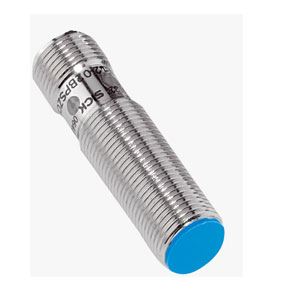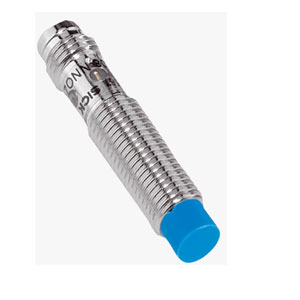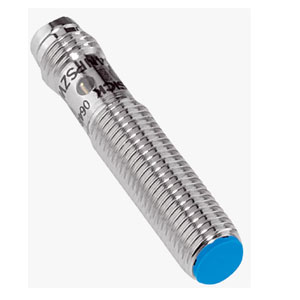
Sick IME12-04BNSZW2S Proximity Sensor
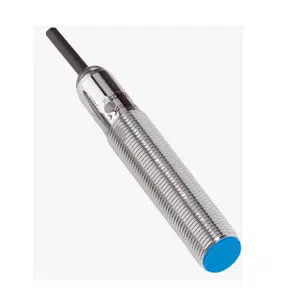
Sick IME12-04BNSZW2S proximity sensor offers 4 mm sensing range with M12 housing, NPN NO output, DC 3-wire wiring configuration. This IME12-04BNSZW2S Sick Proximity Sensor NPN NO from Sick proximity sensor portfolio belongs to the IME series. It supports flush installation, 2,000 Hz switching frequency, 2 m cable connection, and IP67 enclosure rating for industrial automation.
| Brand | Sick |
| Product Type | Proximity Sensor |
| Product | IME12-04BNSZW2S |
Sick IME12-04BNSZW2S Proximity Sensor – Technical Specifications
| Specification | Value |
|---|---|
| Housing | Cylindrical thread design, Standard design |
| Thread size | M12 x 1 |
| Diameter | Ø 12 mm |
| Sensing range Sn | 4 mm |
| Safe sensing range Sa | 3.24 mm |
| Installation type | Flush |
| Switching frequency | 2,000 Hz |
| Connection type | 2m Cable |
| Switching output | NPN |
| Output function | NO |
| Electrical wiring | DC 3-wire |
| Enclosure rating | IP67 1) |
| Items supplied | Mounting nut, brass, nickel-plated (2x) |
The IME12-04BNSZW2S Sick Proximity Sensor NPN NO is designed for accurate metal detection in industrial automation systems. This IME12-04BNSZW2S model features a 4 mm sensing range, M12 cylindrical housing, NPN normally open output, and DC 3-wire electrical wiring. It is part of the IME series and is commonly selected for standardized sensing tasks in control-oriented environments.
In conveyors, packaging machines, automated assembly lines, and material handling equipment, this proximity sensor provides stable detection performance. Flush installation allows predictable sensing near metal surfaces, while the defined switching frequency supports fast and repeatable operations. The fixed cable connection simplifies integration in distributed automation layouts.
The IME12-04BNSZW2S proximity sensor reflects Sick manufacturing consistency and electrical reliability. With IP67 enclosure protection, defined sensing parameters, and IME series construction, it is suitable for continuous industrial use. Sick proximity sensors are trusted for controlled output behavior, installation compatibility, and long-term performance in demanding automation applications.
Related Products