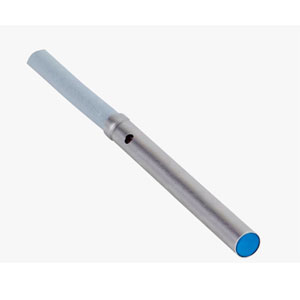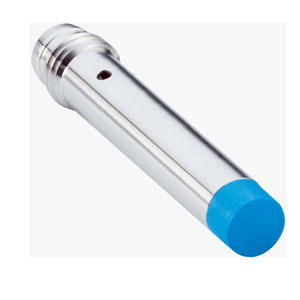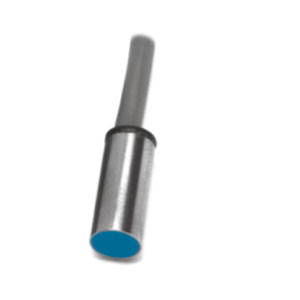
Sick IHM04-1B5PSVU2K Proximity Sensor
The Sick IHM04-1B5PSVU2K Proximity Sensor delivers a 1.5 mm sensing range, PNP NO output, and reliable flush installation performance. It features a Ø 4 mm cylindrical housing, 4,800 Hz switching frequency, DC 3-wire wiring, and durable IP67 enclosure supported by a 2 m cable for industrial use. Learn more about Sick, explore Sick Proximity Sensors, or view the Sick IME Series.
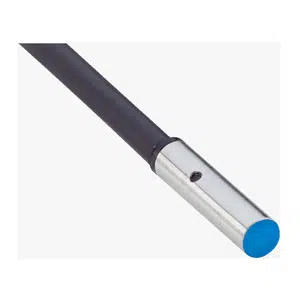
| Brand | Sick |
| Product Type | Proximity Sensor |
| Model Number | IHM04-1B5PSVU2K |
Sick IHM04-1B5PSVU2K Proximity Sensor – Technical Specifications
| Specification | Value |
|---|---|
| Housing | Cylindrical thread design, Short-body |
| Thread size | - |
| Diameter | Ø 4 mm |
| Sensing range Sn | 1.5 mm |
| Safe sensing range Sa | 1.215 mm |
| Installation type | Flush |
| Switching frequency | 4,800 Hz |
| Connection type | 2 m Cable |
| Switching output | PNP |
| Output function | NO |
| Electrical wiring | DC 3-wire |
| Enclosure rating | IP67 1) |
| Items supplied | Cable flag, Polymatic 50 (1 x) |
The Sick IHM04-1B5PSVU2K Proximity Sensor provides compact and accurate detection for automation tasks requiring short-range metal sensing. It offers a 1.5 mm sensing range, responsive 4,800 Hz switching frequency, consistent PNP NO output, and a sealed IP67-rated housing. As part of the Sick IME Series, this model supports stable performance across diverse industrial applications.
The Sick IHM04-1B5PSVU2K Proximity Sensor fits conveyor systems, assembly machinery, packaging lines, and position-monitoring applications where compact installation is essential. Its fast switching capability ensures dependable detection even in high-speed operations, while the robust construction supports reliable use in environments exposed to vibration, dust, or moisture.
The Sick IHM04-1B5PSVU2K Proximity Sensor combines a 1.5 mm sensing range, sealed IP67 protection, efficient PNP NO wiring, and a compact Ø 4 mm build to meet industrial needs. As a trusted Sick IME Series model, it offers dependable performance for engineers requiring precise, durable, and repeatable proximity sensing in automated systems.
Related Products