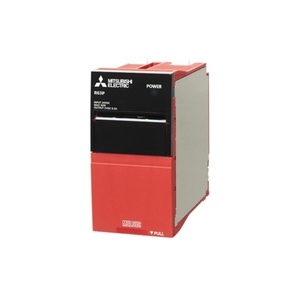
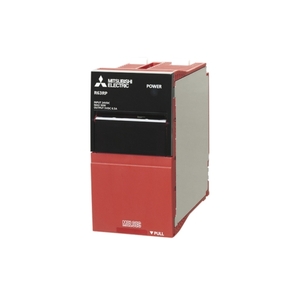
Mitsubishi R61P - Programmable Logic Controller
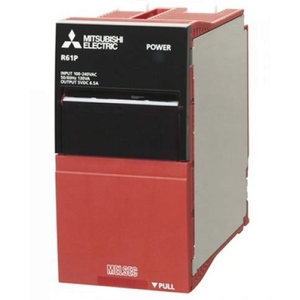
Mitsubishi R61P Mitsubishi Programmable Logic Controller power supply operates at 100–240V AC with 6.5A 5V output and 130VA maximum input capacity. This POWER SUPPLY module belongs to the MELSEC IQ-R SERIES and features 110 mm depth, 54.6 mm width, 106 mm height, and 0.41 kg weight for industrial cabinet installation.
| Brand | Mitsubishi |
| Product Type | Programmable Logic Controller |
| Product | R61P |
Mitsubishi Programmable Logic Controller R61P Technical Specifications
| Specification | Value |
|---|---|
| Series | MELSEC IQ-R SERIES |
| Type | POWER SUPPLY |
| Power Supply (V) | 100-240 |
| Current Type | AC |
| Output Current 5V (A) | 6,5 |
| Depth (mm) | 110 |
| Weight (kg) | 0,41 |
| Width (mm) | 54,6 |
| Height (mm) | 106 |
| Max Input Apparent Power (VA) | 130 |
The R61P Programmable Logic Controller power supply from Mitsubishi is designed for MELSEC IQ-R SERIES rack systems. The R61P Programmable Logic Controller operates on 100–240V AC input and provides 6.5A at 5V output with 130VA maximum input apparent power. It functions as a POWER SUPPLY module within industrial automation panels requiring regulated internal PLC power distribution.
In conveyors, packaging equipment, assembly machines, and automated production lines, the R61P ensures consistent AC-to-DC power conversion for PLC CPUs and I/O modules. Stable 5V output supports reliable control execution and communication stability. Its defined size allows structured panel mounting in manufacturing facilities across industrial automation environments in India.
The Mitsubishi R61P Programmable Logic Controller power supply supports dependable system architecture within MELSEC IQ-R SERIES configurations. With standardized dimensions and specified electrical ratings, the R61P fits structured control cabinets. Mitsubishi designs this module for predictable PLC performance, making it suitable for continuous industrial automation applications where stable and controlled power delivery is required.