Mitsubishi FR-HEL-H185K - VFD Inverter
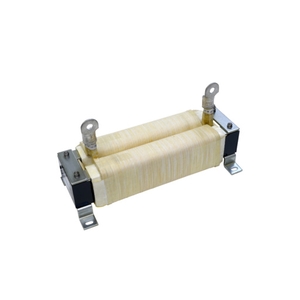
Mitsubishi FR-HEL-H185K VFD Inverter is a DC link choke rated 185 kW 400 V three phase industrial automation systems. This Mitsubishi component supports Mitsubishi Variable Frequency Drive installations and features IP00 protection, DC current type, 230 W power loss, and a robust mechanical design measuring 175 × 240 × 405 mm with 29 kg weight.
| Brand | Mitsubishi |
| Product Type | VFD Inverter |
| Model Number | FR-HEL-H185K |
Mitsubishi FR-HEL-H185K VFD Inverter - Technical Specifications:
| Specification | Value |
|---|---|
| Type | DC LINK CHOKE |
| Applicable Inverter | FR-A800, FR-F800 |
| Power Loss (W) | 230 |
| Protection Class | IP00 |
| Depth (mm) | 240 |
| Weight (kg) | 29 |
| Width (mm) | 175 |
| Height (mm) | 405 |
| Rated Voltage (V) | 400 |
| Current Type | DC |
| Rated Capacity (kW) | 185 |
| Phases | 3 |
The FR-HEL-H185K VFD Inverter is a Mitsubishi DC link choke designed for Variable Frequency Drive systems used in industrial automation. The FR-HEL-H185K VFD Inverter operates at 400 V rated voltage, supports 185 kW capacity, uses DC current type, and is built for three-phase power environments. It belongs to the FR family and is applied where power quality improvement and harmonic reduction are required in high-capacity inverter systems.
In practical applications such as conveyors, packaging lines, automated production equipment, and heavy-duty material handling systems, DC link chokes help stabilize DC bus voltage. The FR-HEL-H185K VFD Inverter reduces current ripple, limits peak currents, and supports smoother inverter operation during acceleration and deceleration cycles, contributing to stable drive performance in demanding industrial environments.
The Mitsubishi FR-HEL-H185K VFD Inverter reflects Mitsubishi’s engineering standards for high-capacity Variable Frequency Drive accessories. Its electrical ratings, mechanical strength, and defined protection class make it suitable for long-term industrial use. The FR-HEL-H185K is selected by engineers seeking predictable electrical behavior, reduced stress on inverter components, and reliable operation within large-scale automation systems.
Related Products