

11 Key Benefits of Using Relays in Industrial Control Systems
Relays are essential components in industrial control systems, helping to regulate and control electrical signals and currents. They serve as the “middlemen” between different circuits and devices, ensuring that the right signals are transmitted at the right times. In this blog, we will explore the 11 key benefits of using relays in industrial control systems.
From improved safety to increased efficiency, relays offer a range of advantages that can help optimize and streamline industrial processes. Whether you are a seasoned engineer or just starting out in the industry, understanding the benefits of relays is crucial for maximizing the performance and effectiveness of your industrial control systems. Let’s dive in!
Explanation of the importance of relays in industrial control systems
Relays play a vital role in industrial control systems by helping to regulate and control electrical signals and currents. They are used to switch and control high-voltage circuits, allowing low-voltage signals to control higher voltages. This is important because it helps to protect sensitive electronic components from damage by isolating them from high-voltage circuitry. Additionally, relays can help to improve the safety of industrial control systems by providing a fail-safe mechanism that will shut down the system in the event of a malfunction. By acting as a control point for electrical signals, relays also make it easier to troubleshoot and repair industrial control systems, since faults can be isolated to specific circuits or components. Overall, the importance of relays in industrial control systems cannot be overstated, as they are essential for ensuring the safe and effective operation of a wide range of industrial applications.
Description of how relays can improve safety in industrial control systems
Relays play a crucial role in improving the safety of industrial control systems by providing a level of isolation and protection between high-voltage circuits and low-voltage control signals. By using relays to switch and control high-voltage circuits, sensitive electronic components can be protected from damage caused by electrical surges or spikes. Additionally, relays can act as a fail-safe mechanism, automatically shutting down the system in the event of a malfunction or overload. This helps to prevent accidents and reduce the risk of injury to workers. Overall, the use of relays is a critical component of ensuring the safe and effective operation of industrial control systems, and can significantly improve the overall safety of a wide range of industrial applications

Explanation of how relays can increase the flexibility of industrial control systems
Relays are a key component in industrial control systems that can increase system flexibility in several ways. One way relays can improve flexibility is by allowing for the integration of different types of devices and systems within a single control framework.
For example, relays can be used to interface between different types of sensors or actuators or to switch between multiple control modes or setpoints based on changing operating conditions or process parameters.
In addition, relays can be easily configured to operate in different modes or to perform different functions, depending on the specific needs of the system. This can help to optimize system performance and efficiency and can enable industrial operators to adapt their systems to changing production requirements or market demands.
Furthermore, many modern relays are designed with advanced communication and networking capabilities, which can facilitate data exchange and system integration with other devices or systems, both within the plant and across the supply chain. This can enable more coordinated and collaborative operations and can help to improve system visibility, traceability, and decision-making.
Overall, the use of relays in industrial control systems can enhance system flexibility, enabling greater integration, adaptability, and collaboration across a range of devices and systems, to better meet the needs of today’s dynamic and ever-changing industrial landscape.
Explanation of how relays can improve the reliability of industrial control systems
Relays are essential components in industrial control systems that help to improve reliability. Relays are designed to switch electrical circuits on and off in response to external signals, and they can perform this function with high accuracy and repeatability.
Relays are particularly useful in applications that require high precision and control, such as automation and robotics. By providing precise switching of electrical circuits, relays can help to ensure that processes are carried out consistently and accurately, reducing the risk of errors and downtime.
In addition, relays can be designed to withstand harsh environmental conditions, such as temperature extremes, humidity, and vibration. This makes them ideal for use in industrial settings where reliability is critical and downtime can be costly.
Overall, the use of relays in industrial control systems can help to improve the reliability of processes and equipment, leading to increased productivity and reduced maintenance costs.
Description of how relays can increase the efficiency of industrial control systems
Relays can increase the efficiency of industrial control systems in several ways:
Automation: Relays can be used to automate industrial processes, which can increase efficiency by reducing the need for manual intervention. For example, relays can be used to automatically control the temperature of a furnace or the speed of a conveyor belt.
Remote control: Relays can be controlled remotely, which can increase efficiency by reducing the need for on-site personnel. This is particularly useful in hazardous environments where it may not be safe for personnel to be present.
Energy efficiency: Relays can be used to increase energy efficiency in industrial processes. For example, relays can be used to turn off equipment when it is not in use, reducing energy consumption.
Speed: Relays can switch on or off quickly, allowing for fast response times in industrial processes. This can increase efficiency by reducing the time it takes to complete a process.
Flexibility: Relays are flexible and can be used in a wide range of applications. This means that they can be easily integrated into existing industrial control systems, increasing their efficiency.
Overall, relays can increase the efficiency of industrial control systems by automating processes, enabling remote control, increasing energy efficiency, improving response times, and providing flexibility. By using relays, industrial processes can be optimized, reducing costs and improving productivity.
Explanation of how relays can save costs in industrial control systems
Relays can save costs in industrial control systems in several ways:
Reduced wiring costs: Using relays can reduce wiring costs because they allow for simpler and more compact control panels. Instead of using multiple wires to control individual components, relays can be used to control multiple components with a single wire.
Reduced maintenance costs: Relays are relatively easy to maintain and repair, which can reduce maintenance costs. They are also less expensive to replace than other types of control components, such as programmable logic controllers (PLCs).
Increased reliability: Relays are highly reliable and can operate in harsh environments. This means that they are less likely to fail, reducing the need for costly repairs and replacements.
Improved energy efficiency: Relays can improve energy efficiency in industrial control systems by controlling when equipment is turned on and off. This can lead to significant cost savings over time by reducing energy consumption.
Simplified control: Relays can simplify the control of industrial processes, reducing the need for complex control systems. This can lead to cost savings by reducing the cost of designing and installing control systems.
Overall, using relays in industrial control systems can save costs by reducing wiring and maintenance costs, improving reliability, increasing energy efficiency, and simplifying control. By optimizing industrial processes and reducing costs, relays can help businesses improve their bottom line.
Description of how relays can provide longevity and durability in industrial control systems
Relays are known for their reliability and durability, making them ideal for use in industrial control systems. They can operate in harsh environments and withstand high temperatures, vibrations, and other challenging conditions. Additionally, relays have a long lifespan, which reduces the need for frequent replacement and maintenance. This means that industrial control systems that use relays can operate for longer periods without interruption, resulting in increased productivity and cost savings. Furthermore, relays can be designed to handle a wide range of voltages and currents, making them compatible with a variety of industrial applications. Overall, the longevity and durability of relays make them an essential component in industrial control systems.
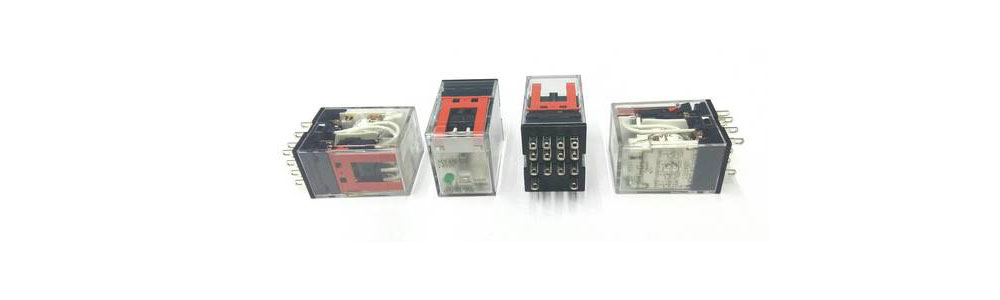
Description of how relays can make installation and maintenance of industrial control
Relays are an essential component in industrial control systems, and they play a crucial role in automating various industrial processes. Relays are electromechanical devices that act as a switch, allowing an electrical signal to control a separate circuit. They can be used to control motors, lights, heaters, and other types of equipment.
Relays can make the installation and maintenance of industrial control systems easier in several ways:
Easy installation: Relays are relatively easy to install, and they can be used in a wide range of applications. They can be mounted on a DIN rail or a panel, and they do not require complex wiring.
Reduced downtime: Relays can help to reduce downtime in industrial processes. If a relay fails, it can be replaced quickly, without the need for complex troubleshooting.
Increased reliability: Relays are highly reliable and can operate in harsh environments, making them ideal for industrial applications.
Simplified control: Relays can simplify the control of industrial processes. By using relays, multiple components can be controlled with a single signal, reducing the complexity of the control system.
Easy maintenance: Relays are easy to maintain, and they require minimal maintenance. They are also relatively inexpensive, making them an economical choice for industrial control systems.
Overall, relays can make the installation and maintenance of industrial control systems easier and more efficient. They provide a reliable and cost-effective solution for controlling a wide range of equipment in industrial processes.
Description of how relays can be compatible with different voltages and currents in industrial control systems
Relays can be designed to work with different voltages and currents, making them compatible with various industrial control systems. This versatility is due to the fact that relays operate by isolating control circuits from the high-power circuits they control. This means that the control circuit can be designed for low power, while the power circuit can be designed for high power.
Relays are available in different configurations, including single-pole, double-pole, and multi-pole designs, to match the voltage and current requirements of different control systems. Additionally, they can be designed to operate with different types of loads, including resistive, inductive, and capacitive loads.
By being compatible with different voltages and currents, relays can provide a cost-effective solution for industrial control systems. Rather than requiring expensive custom designs for each control system, a single type of relay can be used across multiple systems, simplifying installation and reducing costs.
Explanation of how relays can reduce noise in industrial control systems
Relays can also help reduce noise in industrial control systems by providing electrical isolation between different circuits. This isolation prevents electrical noise or interference generated in one circuit from affecting the operation of other circuits in the system. By using relays, electrical noise generated by switches, sensors, or other components can be contained within a single circuit and prevented from spreading throughout the system. This can improve the overall reliability and performance of the system, especially in applications where electrical noise can cause unwanted signal distortion or data errors. Additionally, the use of relays can help prevent damage to sensitive components in the system that may be susceptible to electrical noise.
Discussion of the future developments and trends in relay technology for industrial control systems
As with all areas of technology, relay technology is constantly evolving and advancing. Some of the key future developments and trends in relay technology for industrial control systems include:
Increased integration with digital control systems: Relays are becoming more integrated with digital control systems, which allows for more efficient and automated control processes.
Advances in wireless communication: Wireless communication technology is becoming more prevalent in industrial control systems, and relays are expected to keep pace with these developments.
Greater use of solid-state relays: Solid-state relays is increasingly being used in place of traditional electromechanical relays due to their high reliability, long lifespan, and noise-free operation.
Expansion of the Internet of Things (IoT): As the IoT continues to expand, there will be an increased demand for relays that can communicate with other IoT devices and systems.
Greater focus on energy efficiency: With energy costs rising and environmental concerns increase, there is a growing emphasis on energy-efficient industrial control systems. Relays that can minimize power consumption and waste heat are likely to become more popular.
Overall, the future of relay technology looks promising, with continued advancements and improvements on the horizon. As industrial control systems become more sophisticated and complex, the role of relays will continue to be critical in ensuring safe, reliable, and efficient operation.
Conclusion
In conclusion, relays play a vital role in the operation of industrial control systems. Their ability to improve safety, reliability, efficiency, and flexibility makes them an essential component for any industrial application. Additionally, their ease of installation and maintenance, compatibility with different voltages and currents, and noise-reduction capabilities make them an attractive option for manufacturers. As relay technology continues to develop, we can expect to see even more advancements and innovations in the future, further enhancing their importance in industrial control systems. Overall, understanding the benefits of relays can help industrial professionals make informed decisions about their control systems and ultimately improve their operations.