
Sick Fiber Optic Sensor
Sick Fiber Optic Sensor devices are used in industrial automation to detect small objects and precise positions in tight or hard-to-reach spaces. They are widely used in packaging machines, conveyors, assembly lines, and object detection applications where high accuracy is required. Choosing the right Fiber Optic Sensor helps ensure stable and reliable detection in critical processes.
Sick is known for delivering reliable and high-performance sensing solutions for demanding industrial environments. With strong support from Sick Dealers and Distributors, these sensors offer fast response, consistent output, and long-term durability across industries. On IndMALL, you can find Sick Fiber Optic Sensor and connect with verified suppliers across India for your requirements.
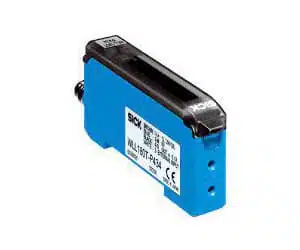
Sick Fiber Optic Sensor Series
SICK Fiber Optic Sensor: WLL180 Series
- Fast Response Time: 16 µs.
- Sensing Range: Up to 20 m (through-beam), 1,400 mm (proximity).
- Display: Two four-digit digital displays.
- Commissioning: Easy, with external teach-in.
- Flexibility: Stand-alone or bus configuration.
- Anti-Interference: Integrated logic to prevent cross-talk.
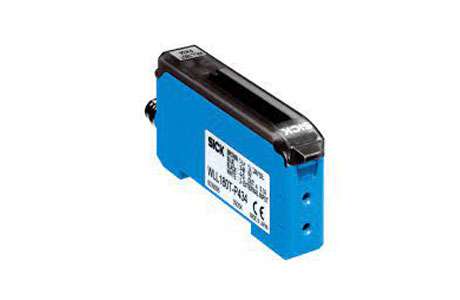
Sick Fiber Optic Amplifier: WLL80 Series
- Response Time: Up to 16 µs.
- Sensing Range: Up to 20 m (through-beam system); up to 1.4 m (proximity system).
- Protection: IP54 enclosure rating.
- Display: OLED with text in various languages.
- Features: Stand-alone version with IO-Link, diagnostic functions, Smart Tasks, adjustable hysteresis, continuous threshold adaptation.
- Flexibility: Suitable for a wide range of applications, available in both single and bus versions.
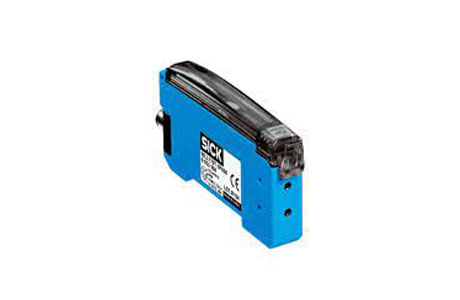
Sick Fiber Amplifier: WLL170 Series
- Response Time: Rapid, with a high-speed version offering a switching frequency of 10 kHz.
- Teach-In Versions: WLL170(T) for automatic threshold setting via button or cable, and WLL170-2 with manual adjustment via potentiometer.
- LED Emitter: Options for red or green LED for optimal detection of color contrasts.
- Fiber-Optic Cables: Uses the LL3 series for secure and reliable detection tasks.
- Applications: Suitable for detecting small objects, colored marks, or transparent objects.
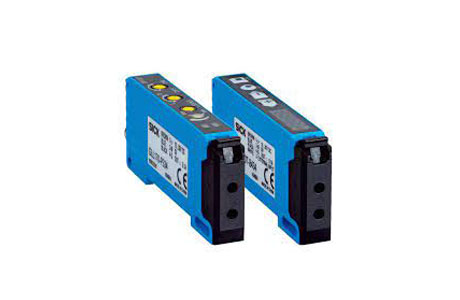
Sick Fiber Optic Sensors: GLL170 Series
- Response Time: Rapid, at 50 µs.
- Adjustment: Switching threshold via potentiometer or teach-in via pushbutton/cable.
- Enclosure Rating: IP66 for ruggedness.
- Variants: Potentiometer for easy commissioning and teach-in with display for direct feedback.
- Flexibility: PNP/NPN switchover (teach-in variant), 4-digit digital display (teach-in variant).
- Mounting: User-friendly, suitable for mounting rail or using fixing holes.
Sick Fiber Optic
Sensor
Suppliers

✔ Verified🌟 Trusted Vendor
Deals in PAN India
Dealing Fiber Optic Sensor Brands: Omron, Autonics, Sick

✔ Verified🌟 Trusted Vendor
Deals in South India
Dealing Fiber Optic Sensor Brands: Omron, Autonics, Sick

✔ Verified🌟 Trusted Vendor
Deals in PAN India
Dealing Fiber Optic Sensor Brands: Sick
Sick Fiber Optic Sensor
Models
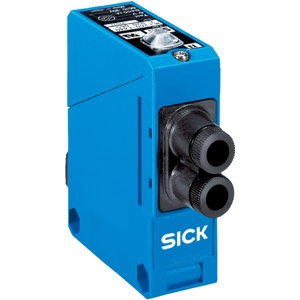
WLL260-R240
Distance: Long Range
Output: PNP
Response: Fast
IP: IP67
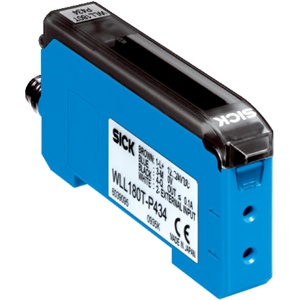
WLL180T-M432
Distance: Medium Range
Output: NPN
Response: Fast
IP: IP67
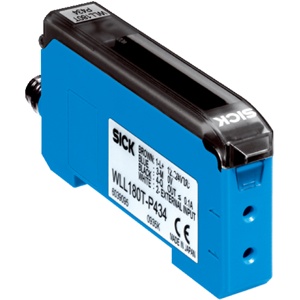
WLL180T-N432
Distance: Short Range
Output: PNP
Response: Fast
IP: IP67
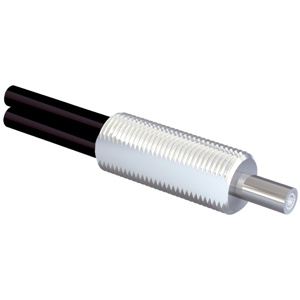
LL3-DB01
Distance: Long Range
Output: PNP/NPN
Response: High Speed
IP: IP67
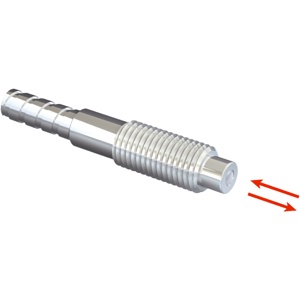
LL3-DW01
Distance: Medium Range
Output: PNP/NPN
Response: High Speed
IP: IP67
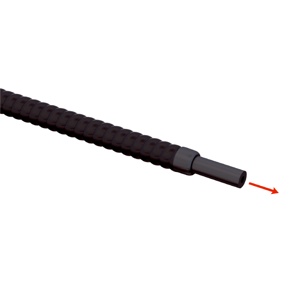
LL3-LM32750
Distance: Short Range
Output: PNP/NPN
Response: High Speed
IP: IP67
Sick Fiber Optic Sensor FAQs
What are the Two Types of Fibre Optic Sensors?
Fiber optic sensors are primarily categorized into two types: intrinsic and extrinsic. Intrinsic fiber optic sensors use the fiber itself as the sensing element, measuring changes within the fiber. Extrinsic fiber optic sensors use the fiber to transmit light to and from the external sensing element, detecting changes in the external environment.
What is a Fibre Amplifier?
A fiber amplifier is a device that amplifies light signals transmitted through optical fibers. It boosts the intensity of the light without converting it to electrical signals.
Typically used in telecommunications, fiber amplifiers enhance signal strength over long distances, ensuring clear and effective communication. They are essential in maintaining signal quality in fiber optic networks.
What are the Components of a Fiber Optic Sensor?
A fiber optic sensor typically consists of three key components: the optical fiber itself, a light source, and a photodetector. The optical fiber transmits light from the source to the target area and back.
The light source emits light into the fiber, and the photodetector measures changes in the light signal, indicating variations in the sensed parameter.
If you required Sick Fiber Optic Sensor, Get a Call: at +91 79955 44066