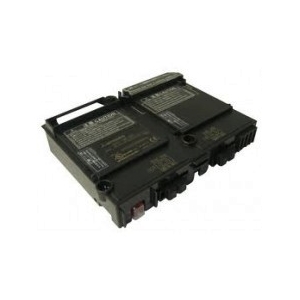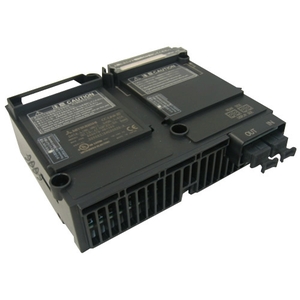
Mitsubishi GT15-QBUS - HMI Human Machine Interface
The Mitsubishi GT15-QBUS HMI Human Machine Interface is a Q-BUS connection unit for GOT2000 series automation systems panels worldwide. Manufactured by Mitsubishi, this Mitsubishi HMI belongs to the GT series. It features a Q-BUS connection unit design with 30.5 mm depth, 0.13 kg weight, and compact 63 × 107 mm dimensions.

| Brand | Mitsubishi |
| Product Type | HMI (Human Machine Interface) |
| Product | GT15-QBUS |
Technical Specifications of Mitsubishi HMI Human Machine Interface GT15-QBUS
| Specification | Value |
|---|---|
| Series | GOT2000 SERIES |
| Type | Q-BUS CONNECTION UNIT |
| Depth (mm) | 30,5 |
| Weight (kg) | 0,13 |
| Width (mm) | 63 |
| Height (mm) | 107 |
The GT15-QBUS HMI Human Machine Interface is a Mitsubishi Q-BUS connection unit used within GOT2000 series operator interface systems. The GT15-QBUS HMI Human Machine Interface is part of the GT series and supports structured communication between HMI panels and automation controllers in industrial environments.
The Mitsubishi GT15-QBUS is applied in conveyors, packaging machines, automated assembly lines, and control panels where Q-BUS connectivity is required. It enables consistent system communication while maintaining compact panel layouts, helping engineers integrate HMI systems efficiently within industrial automation architectures.
The GT15-QBUS HMI Human Machine Interface reflects Mitsubishi standards for compatibility and stable operation. As a GT series accessory, it supports reliable panel communication and predictable installation. Mitsubishi positions the GT15-QBUS as a dependable Q-BUS connection unit for long-term industrial automation use.