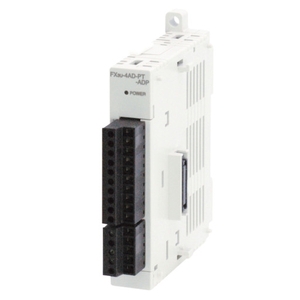
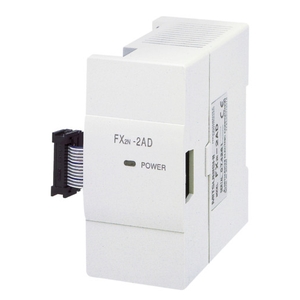
Mitsubishi STL-AD2-I - PLC Analog Output Module
The Mitsubishi STL-AD2-I Programmable Logic Controller includes 2 analog input channels supporting a 4–20mA input current range for precise process monitoring. Built by Mitsubishi, this model is part of the Mitsubishi Programmable Logic Controller family under the STLITE Series. It features cage clamp wiring and consumes 75mA current during operation. Compact dimensions of 65 mm height, 12 mm width, and 100 mm depth make it ideal for efficient installation.
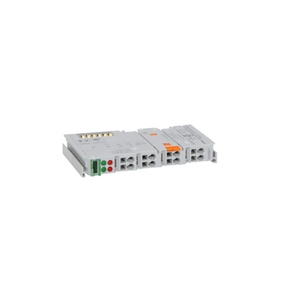
| Brand | Mitsubishi |
| Product Type | PLC Analog Output Module |
| Product | STL-AD2-I |
Mitsubishi PLC Analog Output Module STL-AD2-I Technical Specifications
| Specification | Value |
|---|---|
| Series | STLITE SERIES |
| Type | ANALOG INPUT |
| Integrated Analogue Inputs | 2 |
| Input Current Range (mA) | 4-20 |
| Wiring | CAGE CLAMP |
| Int. Current Consumption (A) | 75 |
| Depth (mm) | 100 |
| Weight (kg) | 525 |
| Width (mm) | 12 |
| Height (mm) | 65 |
The Mitsubishi STL-AD2-I Programmable Logic Controller is a compact analog input module from the STLITE Series. It offers 2 analog input channels with a 4–20mA signal range and uses cage clamp terminals for secure wiring. Operating efficiently at 24V DC, this module ensures reliable data acquisition and accuracy in industrial automation systems requiring precise analog input control.
The Mitsubishi STL-AD2-I PLC is suitable for various applications, including process control, assembly lines, and manufacturing systems. It provides stable analog signal input, enabling seamless communication with sensors and transmitters. Its lightweight build and low power consumption make it effective for compact automation panels and energy-efficient control environments.
The Mitsubishi STL-AD2-I Programmable Logic Controller combines stability, accuracy, and trusted Mitsubishi quality within the STLITE Series. With its 4–20mA input range and durable cage clamp design, it delivers long-term reliability in industrial automation. Engineers value it for consistent signal performance and dependable integration in critical automation processes.