
Autonics Temperature Controllers
Autonics Temperature Controllers are used to maintain and regulate temperature in industrial processes with high accuracy. They are widely used in packaging machines, heaters, ovens, and plastic processing equipment where precise temperature control is essential for quality output. These temperature control solutions help ensure stable and efficient production. For applications requiring accurate monitoring and control, modern systems often use advanced digital temperature controllers. technologies.
Autonics Temperature Controllers are known for their reliable performance, fast response, and long-term stability in demanding industrial environments. They are commonly used in automation systems to improve process consistency and reduce operational errors.

Autonics Temperature Controllers Series
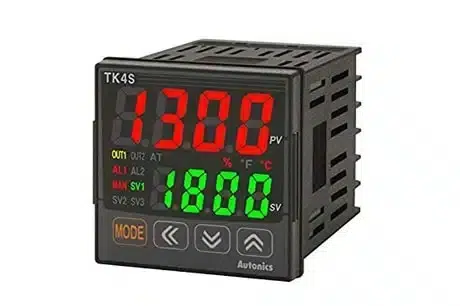
Autonics Temperature Controller – TK Series
Autonics Temperature Controller TK Series offers high-speed 50ms sampling, PID control modes, SSR outputs, multi-color LED display, wide power supply, and IP65 protection.
- Fast 50 ms sampling for precise temperature control.
- Supports PID, ON/OFF, heating and cooling control modes.
- SSR and current output options for flexible control.
- Durable design with IP65 front panel protection
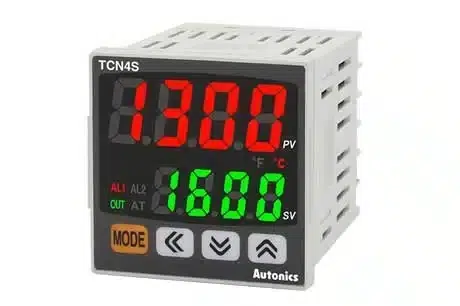
Temperature Controller Autonics – TCN Series
Autonics Temperature Controller TCN Series features dual LED display, 100ms sampling, high accuracy, relay/SSR outputs, multiple power options, and efficient energy consumption.
- Dual digital PV/SV display with clear LED indication.
- High accuracy (±0.5%) with 100 ms fast sampling.
- Supports relay and SSR drive output options.
- Wide power supply range with low power consumption
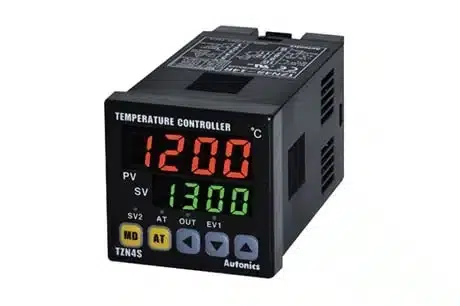
Autonics PID – TZN/TZ Series
Autonics PID TZN/TZ Series offers dual-speed PID control, high accuracy, auto-tuning, multiple input types, alarm outputs, and analog PV transmission.
- Dual-speed PID control for fast and stable performance.
- High display accuracy (±0.3% full-scale).
- Supports multiple input types, including temperature and analog.
- Alarm outputs with PV transmission (4–20mA)
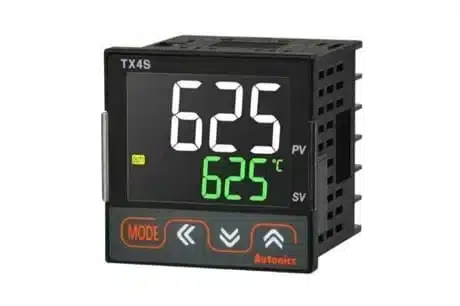
Autonics PID Controller – TC Series
Autonics PID Controller TC Series features compact design, LED display, 100ms sampling, high accuracy, relay/SSR outputs, and flexible power supply options.
- Compact design with large, clear LED display.
- High accuracy (±0.5%) with fast 100 ms sampling.
- Supports relay and SSR output options.
- Wide power supply range with easy connector wiring
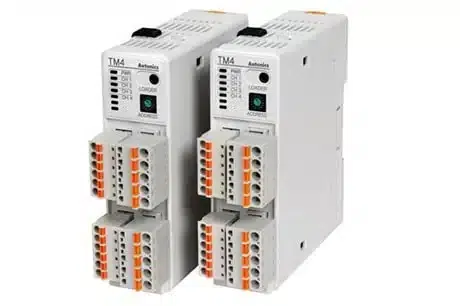
Autonics PID Temperature Controller – TM Series
Autonics PID Temperature Controller TM Series offers multi-channel control, fast sampling, heating and cooling control, isolated inputs, SSR/current outputs, and advanced alarm functions.
- 2 or 4-channel temperature control for multiple zones.
- Fast sampling: 50ms (TM2) and 100ms (TM4).
- Supports simultaneous heating and cooling control.
- Multiple outputs with SSR, relay, and current options
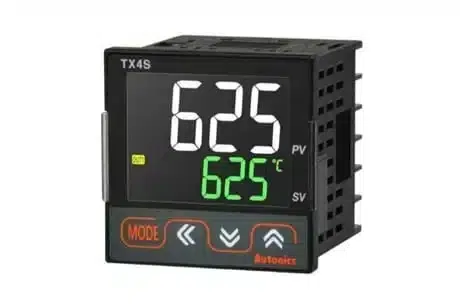
Autonics Temp Controller – TX Series
Autonics Temp Controller TX Series features high-speed sampling, high accuracy, a large LCD display, SSR/current outputs, multiple control modes, and reliable industrial performance.
- Fast 50 ms sampling with ±0.3% high accuracy.
- Large LCD display with clear white PV characters.
- Supports SSR, relay, and current output options.
- Multiple control modes with stable industrial performance
Autonics Temperature Controller Suppliers

✔ Verified🌟 Trusted Vendor
Deals in PAN India
Dealing Temperature Controller Brands: Omron, Autonics

✔ Verified🌟 Trusted Vendor
Deals in PAN India
Dealing Temperature Controller Brands: Autonics, Omron

✔ Verified🌟 Trusted Vendor
Deals in PAN India
Dealing Temperature Controller Brands: Omron, Autonics

✔ Verified🌟 Trusted Vendor
Deals in South India
Dealing Temperature Controller Brands: Selec, Omron, Autonics

✔ Verified
Deals in PAN India
Dealing Temperature Controller Brands: Autonics
Top Autonics Temperature Controller Models
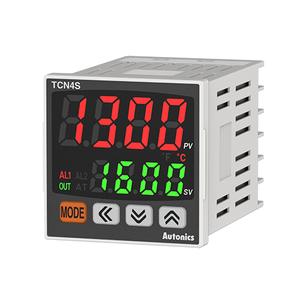
TCN4S-24R
- Size: 48×48 mm
- Control Output: Relay
- Power Supply: 100–240VAC
- Input: Thermocouple / RTD

TK4S-B4CR
- Size: 48×48 mm
- Control Output: Relay
- Power Supply: 100–240VAC
- Input: Thermocouple / RTD
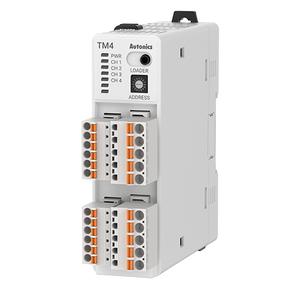
TM4-N2SB
- Size: Modular
- Control Output: Multi Channel
- Power Supply: 100–240VAC
- Input: Temperature Sensors
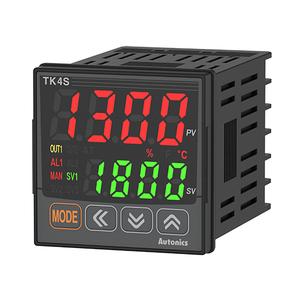
TK4S-T4CN
- Size: 48×48 mm
- Control Output: Transistor
- Power Supply: 100–240VAC
- Input: Thermocouple / RTD
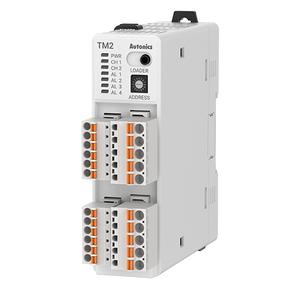
TM2-22CB
- Size: Modular
- Control Output: Multi Channel
- Power Supply: 100–240VAC
- Input: Temperature Sensors
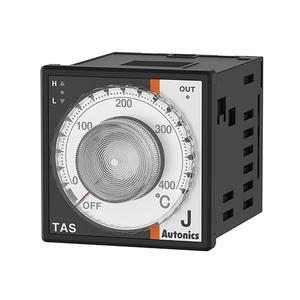
TAS-B4RJ4C
- Size: 96×96 mm
- Control Output: Relay
- Power Supply: 100–240VAC
- Input: Thermocouple / RTD
Types of Autonics Temperature Controller
PID Temperature Controllers
Used for precise temperature control with automatic adjustment. Common in industrial heating systems, furnaces, and plastic processing, where stable temperature control is required.
Modular Temperature Controllers
Designed for multi-channel control with expansion capability. Ideal for centralized systems where multiple temperature zones need to be monitored and controlled efficiently.
Slim Temperature Controllers
Compact and space-saving controllers used in control panels. Suitable for applications where panel space is limited but reliable temperature control is required.
Dual Display Temperature Controllers
Provide simultaneous display of process value and set value. Used in applications requiring quick monitoring and easy adjustment of temperature settings.
LCD Temperature Controllers
Features large LCD displays for better visibility and user-friendly operation. Ideal for industrial environments where clear monitoring and parameter setting are important.
Applications of Autonics Temperature Controller
Autonics Temperature Controllers are commonly used in:
- Plastic injection molding
- Packaging machines
- Furnace temperature control
- HVAC systems
- Food processing
- Industrial heating systems
Autonics Temperature Controller FAQs
What is an Autonics Temperature Controller?
An Autonics Temperature Controller is a digital process controller used to regulate temperature in industrial heating or cooling systems. It receives temperature feedback from sensors such as thermocouples or RTD sensors, compares the measured value with the configured temperature setpoint, and adjusts the heating or cooling output using PID control algorithms. This closed-loop temperature control ensures stable process conditions in industrial equipment.
How does an Autonics Temperature Controller work?
The controller measures temperature using thermocouple or RTD inputs, processes the signal through a temperature measurement circuit, and compares it with the desired temperature setpoint. The internal PID control algorithm calculates the required control output and adjusts heating or cooling devices accordingly. This continuous feedback loop maintains precise temperature stability.
What is PID temperature control?
PID temperature control refers to a control method using proportional, integral, and derivative algorithms to regulate temperature. The controller continuously analyzes the temperature error and adjusts the output to stabilize the process temperature quickly and accurately.
What sensors are used with Autonics temperature controllers?
Autonics controllers typically use thermocouple sensors such as Type K or Type J, and RTD sensors such as PT100 or PT1000. These sensors convert temperature into electrical signals that the controller processes to maintain accurate temperature regulation.
For additional information about our Autonics Temperature Controller, feel free to contact us – IndMALL