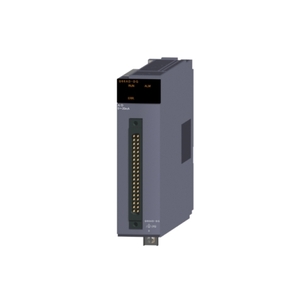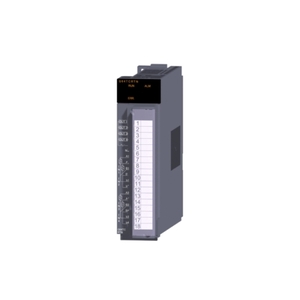
Mitsubishi Q66DA-G - PLC Analog Output Module
The Mitsubishi Q66DA-G Programmable Logic Controller features 6 analog output channels supporting -10–10 V, 0–5 V, 1–5 V, and 0–20/4–20 mA ranges for precise control performance. Manufactured by Mitsubishi, it is part of the Mitsubishi Programmable Logic Controller product range within the MELSEC-Q Series. The module operates at 24 V DC, consumes 0.62 A current, and uses screw-type wiring for reliable industrial signal transmission.
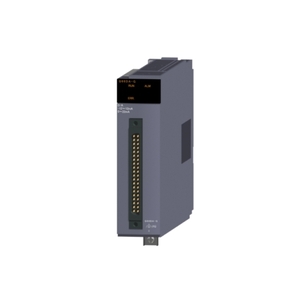
| Brand | Mitsubishi |
| Product Type | PLC Analog Output Module |
| Product | Q66DA-G |
Mitsubishi PLC Analog Output Module Q66DA-G Technical Specifications
| Specification | Value |
|---|---|
| Series | MELSEC-Q SERIES |
| Type | ANALOG OUTPUT |
| Occupied I/O Points on PLC | 16 |
| Wiring | SCREW |
| Int. Current Consumption (A) | 0,62 |
| Depth (mm) | 177 |
| Weight (kg) | 0,22 |
| Width (mm) | 27,4 |
| Height (mm) | 102 |
| Power Supply (V) | 24 |
| Current Type | DC |
| Integrated Analogue Outputs | 6 |
| Output Voltage Range (V) | -10-10; 0-5; 1-5 |
| Output Current Range (mA) | 0-20; 4-20 |
The Mitsubishi Q66DA-G Programmable Logic Controller is a 6-channel analog output module designed to deliver stable voltage and current outputs in automation systems. It supports 0–20 mA and 4–20 mA current ranges as well as multiple voltage levels for versatile control. Belonging to the MELSEC-Q Series, this Mitsubishi PLC ensures high accuracy and dependable performance across industrial environments.
The Mitsubishi Q66DA-G PLC is widely used in factory automation, conveyor systems, packaging machinery, and process industries requiring precise signal output. Its compact 27.4 mm width and 177 mm depth allow flexible cabinet installation, while screw-type terminals provide secure electrical connections for continuous operation under demanding industrial conditions.
The Mitsubishi Q66DA-G Programmable Logic Controller reflects Mitsubishi’s engineering reliability and long-term stability. As part of the MELSEC-Q Series, it offers dependable signal conversion, efficient power use, and robust design suited for critical automation applications. Engineers trust this model for consistent analog output performance and seamless integration in modern industrial control systems.